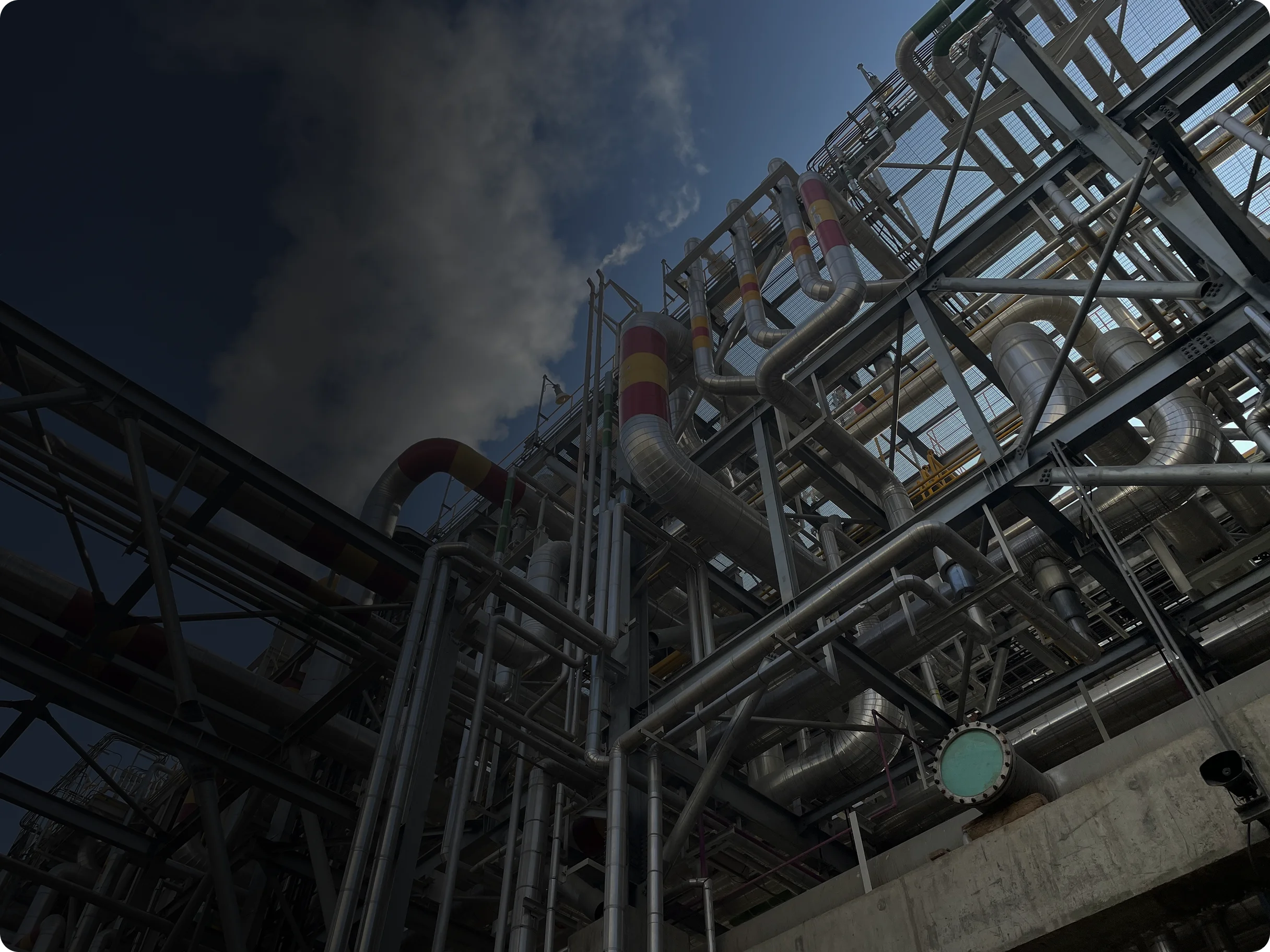
Modular or containerized: choosing a CO₂ plant format

The decision is rarely about capacity alone. Site constraints, project timeline and how certain you are about future volumes matter more.
Both formats produce the same product. The difference is how much of the engineering happens in a factory versus on your site — and that single variable drives cost, schedule and flexibility.
When containerized wins
If you need production within a quarter, if the site has no room for construction works, or if you may relocate within five years, take the container. Commissioning is measured in weeks.
When modular wins
Above roughly 1 000 kg/h, or when the process needs integration with existing utilities and heat recovery, a stationary modular plant is cheaper per tonne and easier to expand in blocks.
You may also need


CO₂ capture units
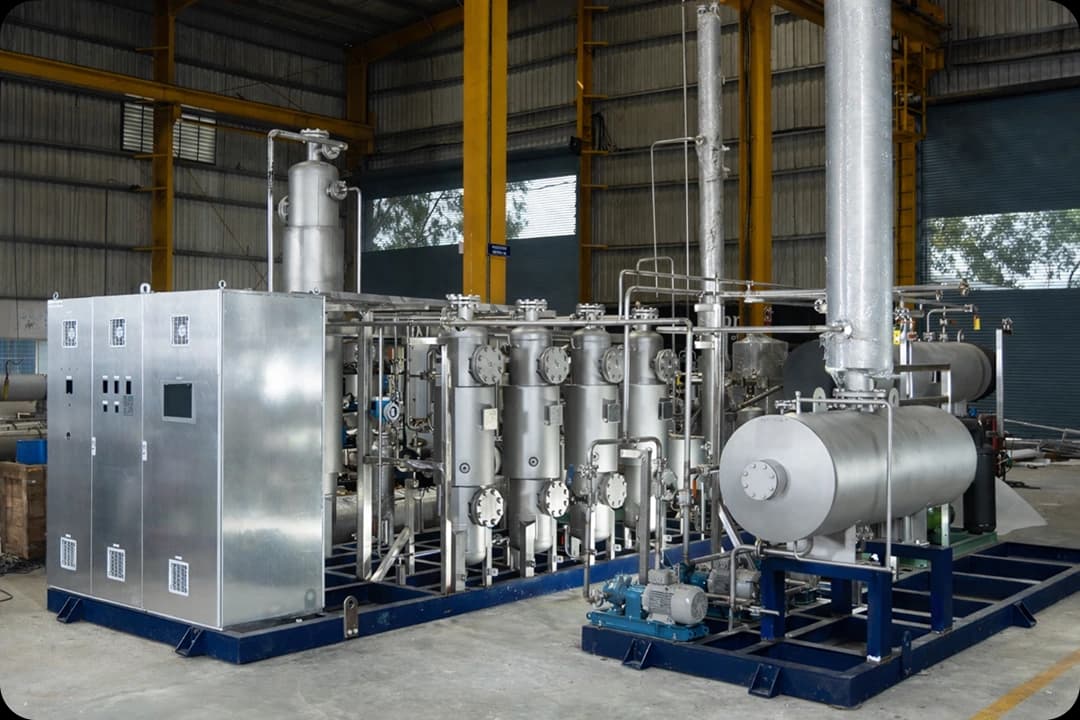
Modular CO₂ capture unit MC-500
Model: MC-500
Containerized unit capturing up to 500 kg/h of CO₂ from biogas or flue gas, delivered pre-assembled and tested.
Price on request
On request
Cryogenic tanks
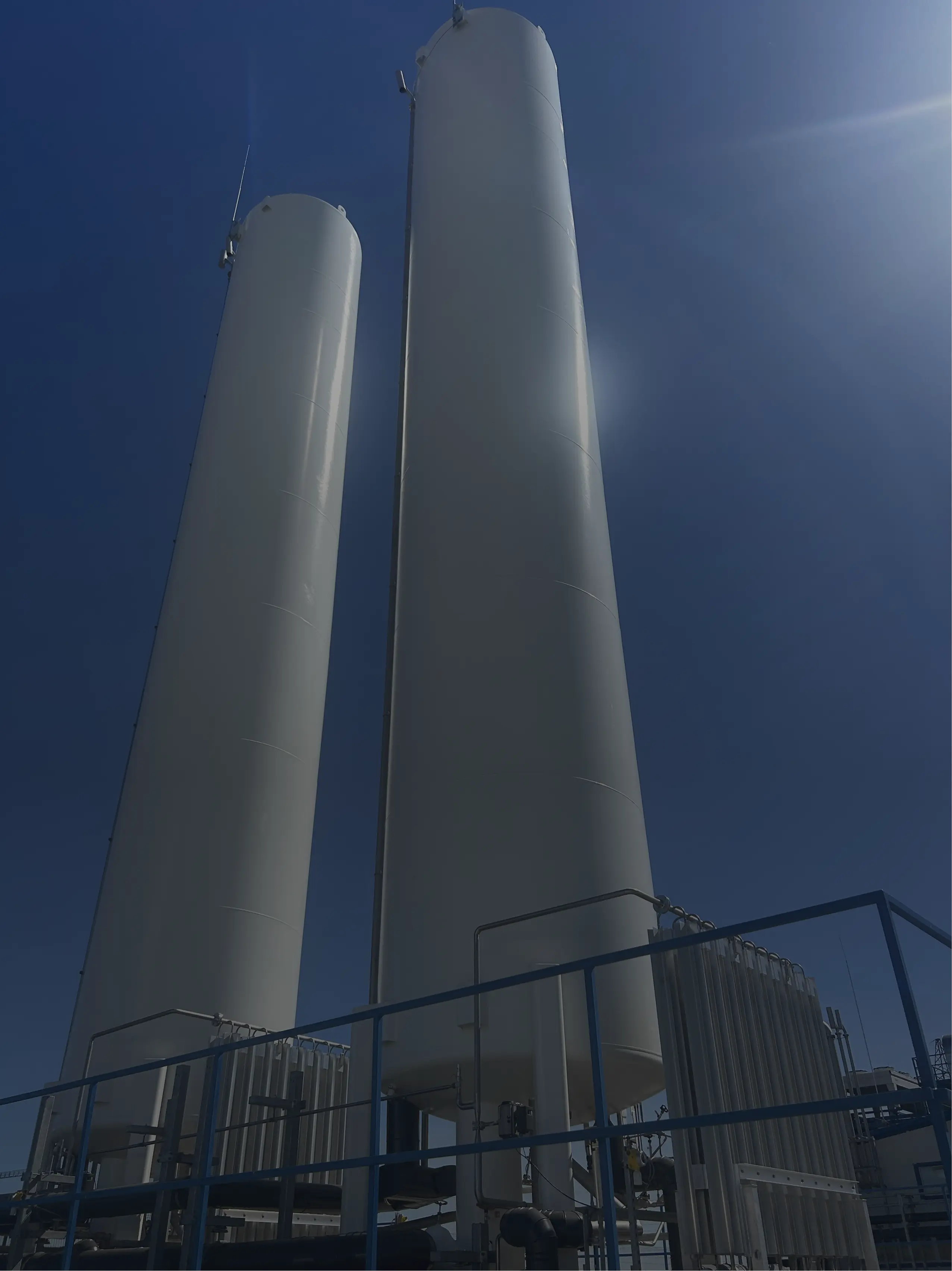
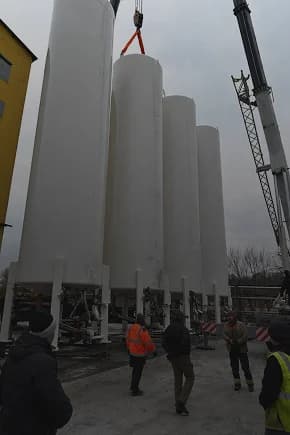
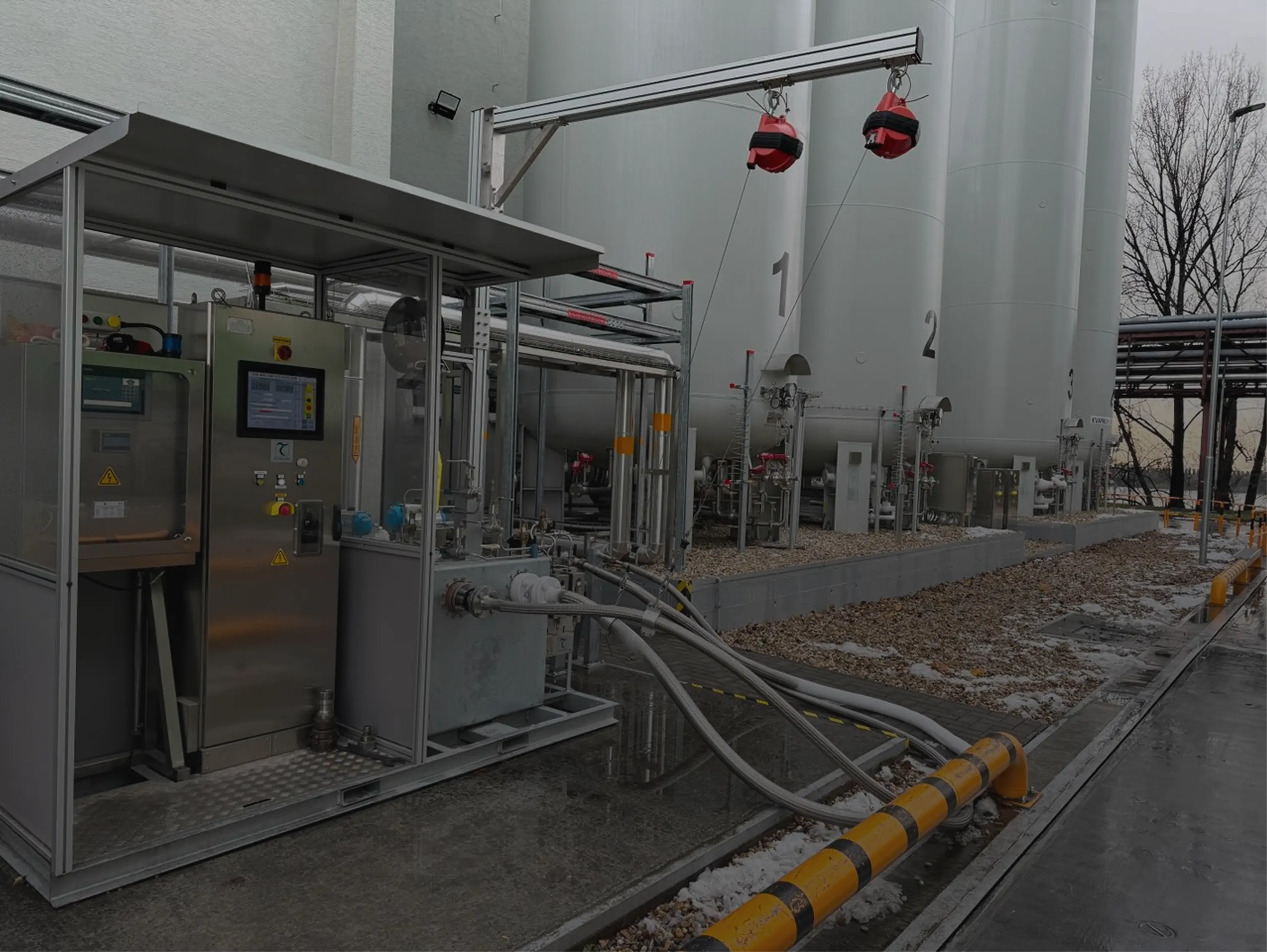
Cryogenic CO₂ tank CT-30
Model: CT-30
Vertical vacuum-insulated tank for 30 m³ of liquid CO₂ with working pressure up to 22 bar and minimal boil-off losses.
Price on request
Made to order
Related articles

Technology
How biogenic CO₂ capture works at a biogas plant
Upgrading raw biogas leaves a CO₂ stream that most plants vent. Here is what it takes to turn that stream into a certified product.
7 min read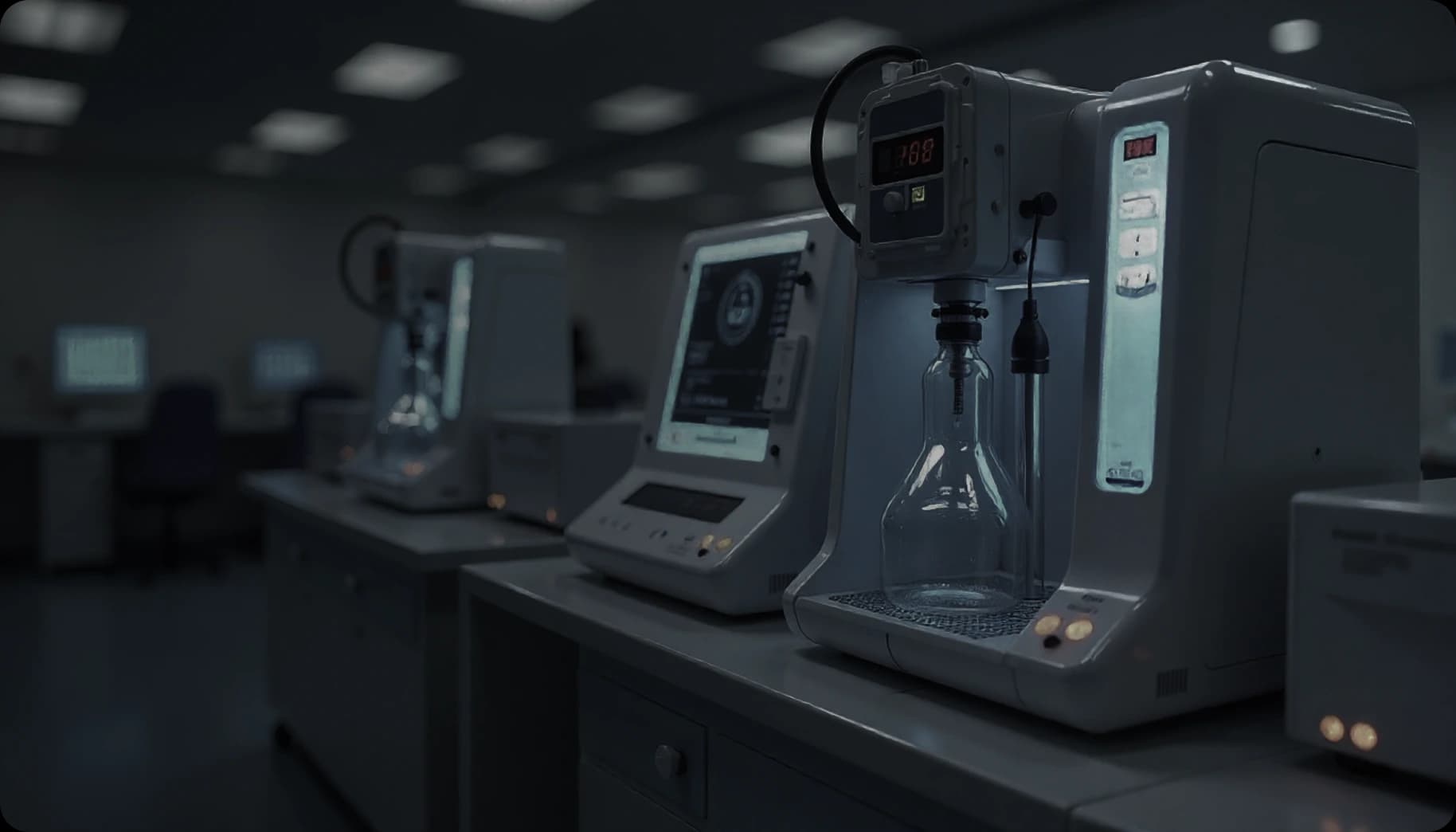
Standards
Food-grade CO₂: what ISBT and EIGA actually require
Purity percentage tells you almost nothing on its own. What matters is the list of trace contaminants and the limit set against each one.
6 min read